
Most gas water heaters in Winter Haven, FL work the same basic way. Gas enters through a control valve that doubles as the thermostat and feeds a burner beneath the tank, and the hot exhaust travels up a flue through the middle of the tank and out through the vent. A thermocouple, or a flame sensor on newer electronic models, tells the valve a flame is present; without that signal, the valve shuts off the gas for safety. The design is dependable, but it has a few predictable weak spots. Thermocouples wear out, pilot tubes and burner ports clog, the flame arrestor screen at the base packs up with lint and dust, control valves fail, and vents lose their draft.
Diagnosing a gas water heater properly means checking combustion, not just parts. Across Winter Haven, our technicians measure thermocouple output in millivolts, study the pilot and burner flame for color and shape, read gas pressure at the valve, and test draft at the hood so we know exhaust is leaving the house. We check the combustion chamber for soot and scorching, which point to a blocked flue or poor combustion air, and we test for carbon monoxide near the heater. Keep one rule in mind: a gas smell means leaving the house and calling the gas utility from outside before anything else, and Winter Haven Water Heater can take over from there.
Most gas water heater repairs are finished in a single visit. We replace thermocouples, flame sensors, pilot assemblies, and igniters, clean burners and flame arrestor screens, swap failed gas control valves, and correct vent connectors that have separated or lost their slope. We also flush sediment, the cause of that popping or rumbling sound and a major reason tanks overheat at the bottom and fail early. When the tank itself is leaking or the heater is deep into its service life, we tell you honestly and walk you through replacement. New installations are sized by first-hour rating, not just gallons, and include the right venting, a sediment trap on the gas line, an expansion tank where needed, and seismic straps and a drain pan where code requires them. Call (863) 204-4944 for gas water heater service in Winter Haven.
Most of our service calls are for Water Heater Repair in Winter Haven and Water Heater Installation in Winter Haven. That's the place to start for most homes.
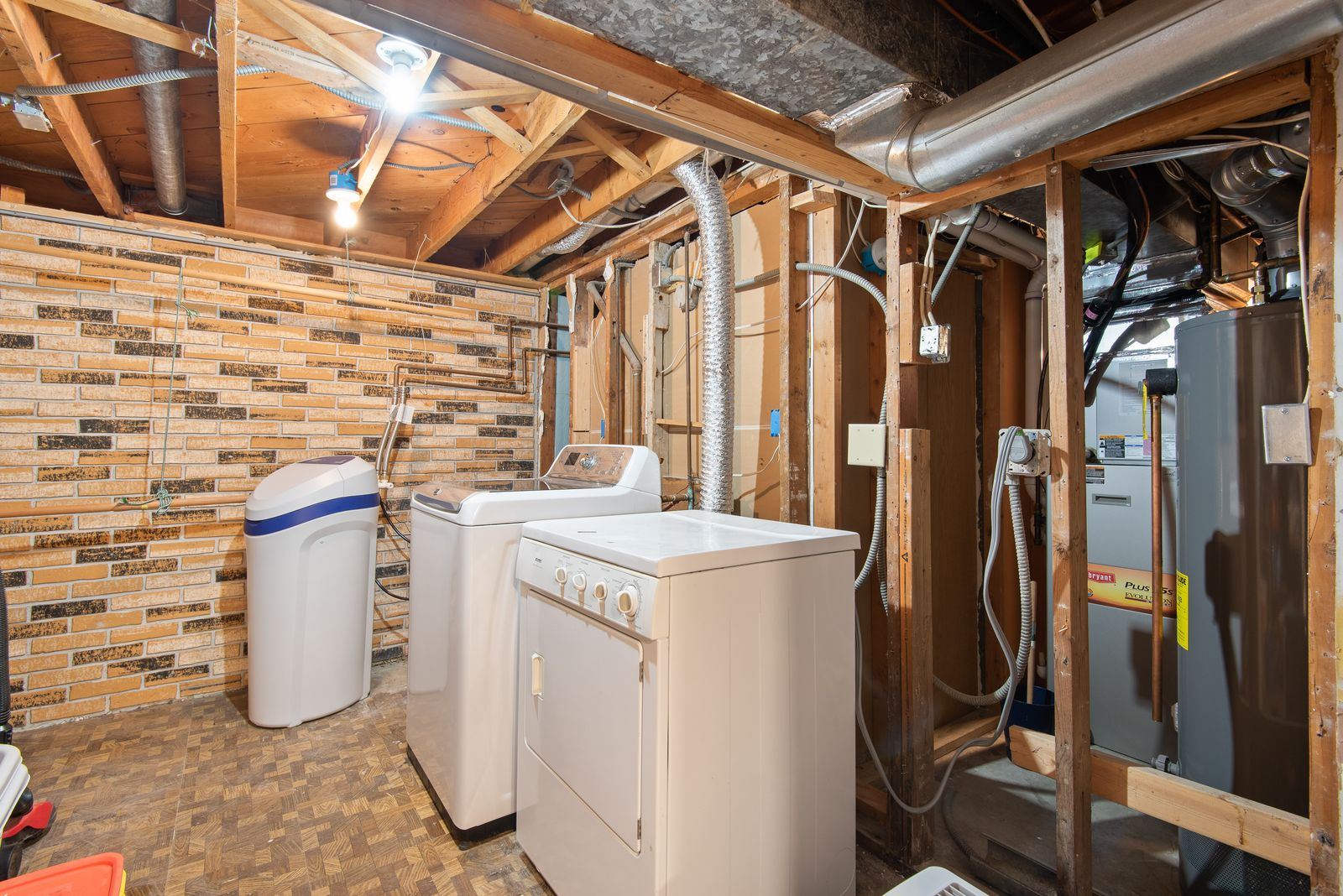
When to Call for Gas Water Heater Services
A heater that is starting to struggle rarely hides it for long, and the clues are easy to spot once you know them. These are the red flags our technicians see most often before a breakdown:
- Any smell of gas around the appliance, which calls for leaving and phoning the gas utility
- A yellow, lazy, or sooty burner flame instead of a crisp blue one
- Hot water that runs out faster than it used to
- Rust-colored hot water or rust streaks on the tank
- Exhaust odor, rust, or moisture around the draft hood and vent pipe
- A pilot light that will not stay lit
- Popping, rumbling, or crackling sounds as the burner heats
- A cold tank and a burner that will not come on
A Slow Leak Never Stays Slow
Tanks rarely fail all at once. They corrode from the inside for months, and the warning signs show up long before the floor gets wet. Call Winter Haven Water Heater at (863) 204-4944 at the first sign of trouble.
Water Heater Trouble? Call Us.
One call gets a technician scheduled and a clear price before any work starts.
Call (863) 204-4944 NowFrequently Asked Questions About Gas Water Heater Services
Why This Job Calls for a Pro
Gas water heaters are among the riskiest appliances to work on without training, largely because you cannot see the biggest hazards. A gas connection that is not quite tight can leak slowly for days. A vent connector that has lost its slope, or a flue partly blocked by debris, can let carbon monoxide spill into the house every time the burner fires, with no smell to warn you. Gas valve and heater replacements also typically require a permit and an inspection. Relighting a pilot by following the label is something most homeowners can do; almost everything past that deserves a technician.
The value of calling a pro is certainty. We test instead of guessing, from thermocouple millivolt readings and burner flame checks to gas pressure at the valve and a draft test at the hood. We leak-test every connection, confirm the vent is carrying exhaust out of the house, and check CO before we leave. And because some gas heaters are not worth another repair, we give you a straight answer on repair versus replacement first, then handle either one with correct venting, gas piping, and the code items your installation requires.
What to Expect From Our Team
Our workflow is simple and thorough, so nothing gets missed between the fuel supply and the relief line. Here's how we handle gas water heater services from start to finish:
Safety Check & Diagnosis
Before a single part is changed, we confirm the heater is safe to work on and test each part of the ignition, gas, and venting systems to pinpoint what actually failed.
Repair or Replace, Explained
The cause is explained in plain English, and the price comes first. When a repair would only buy a few months on a failing tank, you will hear that from us and lay out replacement options.
Same-Visit Repair
Most failed ignition parts and gas valves get replaced on the spot. For replacements, we install a correctly sized heater with proper venting and code items.
Full Safety Test
A gas appliance is not finished until it is proven safe. We leak-test the connections, verify draft and flame, check for carbon monoxide, and set the temperature at a safe level.
Prevention Tips That Actually Help
Routine maintenance is almost always cheaper and easier than an early replacement. Here are our recommendations:
- Keep the air intake at the bottom of the heater free of lint and dust
- Install carbon monoxide alarms on every level of the home and test them monthly
- Keep the thermostat around 120 degrees to save energy and reduce scalding risk
- Keep the area around the heater clear, especially of gasoline, paint, and solvents
- Flush the tank on a regular schedule so sediment never bakes onto the bottom
- Have the anode rod inspected every few years and replaced when it is worn
- Make sure the vent pipe stays connected, sloped upward, and free of rust
DIY vs. Professional Gas Water Heater Services
Relighting a pilot by following the label is one thing. Diagnosing a gas valve, a burned-out element, a dirty flame sensor, or a tankless error code calls for meters and know-how that a pro brings. Here's a comparison:
| Consideration | Doing It Yourself | Hiring a Pro |
|---|---|---|
| Diagnosis | Guess between pilot, valve, and draft problems | Each part tested before anything is replaced |
| Gas Leaks | No leak detection after the work | Gas piping verified tight and sound |
| Venting & CO | Vent slope and connections overlooked | Vent secured with proper slope and clearance |
| Permits & Code | Straps, pan, and expansion tank missed | Installation meets local requirements |
| Tank Condition | Anode rod ignored | Sediment flushed, anode checked |
| Result | Symptom patched, cause remains | Lasting repair, confirmed by testing |
Talk to Our Gas Water Heater Services Team
Cold showers and damp floors don't get better on their own. Winter Haven Water Heater can have a technician headed your way soon.
Get Help: (863) 204-4944Communities We Cover
Wherever you are in the area, the same experienced team shows up with the same parts and the same pricing. Find your community below.