
Of all the ways to heat water with electricity, a heat pump unit is by far the most efficient. Instead of relying on heating elements alone, it uses a compressor, refrigerant, and a fan to capture heat from surrounding air and move it into the tank. Moving heat costs far less energy than creating it, so these hybrids regularly post Uniform Energy Factor ratings of about 3 to 4, while a conventional electric tank sits just under 1. Here in Winter Haven, FL, that gap has pushed plenty of homeowners to replace a worn electric tank with a hybrid instead of another standard model.
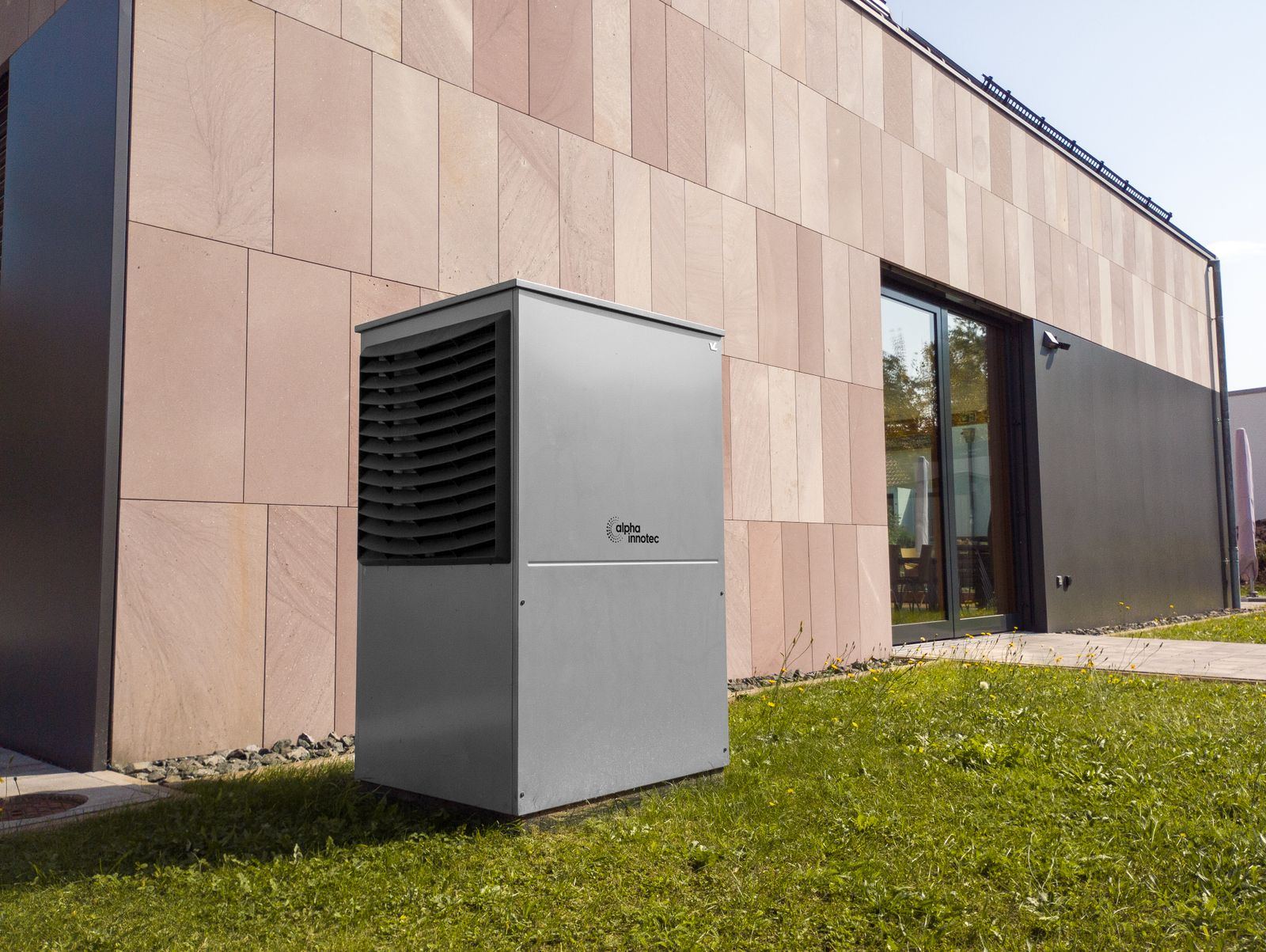
Placement matters more for a heat pump water heater than for any other type. The unit draws heat from the air around it, so manufacturers generally want around 700 cubic feet of open space, or ducting to borrow air from a larger area when the mechanical room is tight. As it runs, it cools and dehumidifies the room, a bonus in a humid basement or hot garage and a drawback in a small, already chilly space. Heat pump operation also has a temperature window: in a space that drops near freezing, the unit switches to its electric elements and the efficiency advantage shrinks for those hours. Add a condensate line that must drain by gravity or pump, a fan and compressor that make a steady, low hum, and a dedicated 240-volt circuit on most models, and you can see why the site survey matters as much as the brand.
Once the unit is in place, the operating mode and tank size determine how much you save. Heat pump only mode delivers the lowest running cost; hybrid mode lets the elements help during heavy draws; high-demand mode is there for holiday crowds. Since the compressor heats more slowly than resistance elements, we often size a hybrid slightly larger than the tank it replaces to keep the elements idle most of the time. Installation includes the drain pan, a verified condensate route, a correctly sized circuit and breaker, code-required items like an expansion tank where applicable, and a walkthrough of the controls. Incentive programs, from utility rebates to federal tax credits, cover many qualifying models; we will point you to the ones to look into, without promising what any program will approve. Call (863) 204-4944 to plan a hybrid water heater for your Winter Haven home.
Our most requested service is Water Heater Installation in Winter Haven. Either is a good place to start.
How to Tell Something Is Wrong
Water heaters usually give plenty of warning before they fail, as long as you know what to look and listen for. Keep an eye out for the following:
- High electric bills in a household that uses a lot of hot water
- An all-electric home, or one heading that direction
- An electrical setup already sized for an electric tank
- A plan to take advantage of efficiency incentives where they apply
- A warm utility space the heat pump can draw from
- An aging electric water heater you want to replace before it fails
- Humidity problems in the space where the water heater sits
- Open space around the current water heater, such as a basement or garage
Act Before It Gets Worse
A little rust-colored water or a relief valve that drips now and then can be the first hint of a tank that is close to the end. Don't wait. Get Winter Haven Water Heater on the phone at (863) 204-4944 and we'll get a technician scheduled.
No Hot Water? We Can Help.
Our experienced technicians are standing by to help.
Get Help: (863) 204-4944What Homeowners Ask Us Most
What a Trained Technician Brings to the Job
A hybrid looks like an ordinary tank with a lid on it, but it combines three trades in one appliance: plumbing, electrical, and a sealed refrigerant system. The water side needs proper connections, a relief valve discharged to a safe location, and an expansion tank where the plumbing is closed. The electrical side needs a circuit and breaker sized to the nameplate, not whatever happens to be there. Then there is the part DIY guides skip: whether the room can actually feed the compressor. A unit squeezed into a small closet without ducting spends its life on backup heat, which means paying hybrid prices for standard electric performance.
Beyond the systems, there is the labor. A hybrid is bulkier than a typical tank and very heavy once filled, so moving and setting it level in a pan takes planning. A gas-to-electric conversion adds a gas line to cap, an unused vent to close off, and a new circuit to run. Condensate has to drain without fail, since an overflowing line can damage floors and walls quietly. And if the sealed refrigerant system ever needs service, that work requires special training and recovery gear. We take care of every step, set the operating mode for your household, and provide the documentation you may need for rebate or tax credit forms, with no promises about what any program will approve.
Our Heat Pump Water Heaters Process
We follow the same careful process on every water heater, whether it's a quick thermostat swap or a full tankless conversion. Here's what you can expect when you choose Winter Haven Water Heater:
Site Survey
First, we look at where the unit will live: air volume, winter temperatures, a drain path for condensate, noise near bedrooms, and panel capacity.
Choosing the Unit
We size the tank to how your household actually uses hot water, keeping in mind that compressor recovery is slower than an element's.
Installation and Condensate
We remove the old unit, set the new one level in a pan, connect the plumbing and circuit, route the condensate, and add code items like an expansion tank where required.
Controls and Handoff
At the end of the visit, the unit is running, draining, and set to the right mode, and you know which setting to use when guests arrive.
Repair or Replace? Let's Figure It Out.
We give honest advice and upfront pricing on every job, big or small.
Get Help: (863) 204-4944Simple Ways to Extend Your Water Heater's Life
A few simple habits, like an annual flush and a quick look at the relief valve, can add years to a tank. Follow these tips from our technicians:
- Switch to vacation mode before a trip to cut idle energy use
- Glance at the drain pan occasionally; standing water points to a clogged condensate line
- Keep fumes and heavy dust away from the air the unit draws in
- Replace the anode rod when it is mostly consumed to extend the tank's life
- Keep the space around the unit open and free of boxes, laundry, and stored clutter
- Clean the air filter on top of the unit every few months so the compressor can breathe
- Flush the tank once a year to clear sediment, just as you would with a standard heater
Comparing DIY and Professional Work
Online videos may help in a pinch, yet lasting repairs and code-compliant installs depend on correct venting, proper relief valve discharge piping, and a trained technician. A side-by-side look:
| Consideration | DIY Attempt | Hiring a Pro |
|---|---|---|
| Placement | Space never measured | Room sized and assessed for airflow |
| Wiring | Breaker size guessed | Breaker and wire sized correctly |
| Drainage | No reliable drain path | Routed to a drain or pump and tested |
| Tank Capacity | Same size as the old tank by default | Often upsized to keep elements idle |
| Operating Mode | Stuck in electric mode | Controls explained before we leave |
| Safety Details | Drain pan left out | T&P discharge, pan, and expansion tank handled |
Get Heat Pump Water Heaters Help Today
Every day a leak or a failing part goes unchecked puts more stress on the tank. Get Winter Haven Water Heater on the job today.
Call (863) 204-4944 NowCommunities We Cover
Our service area reaches well past the city limits. Choose your community for local details.